




Articles

Clear Explanations for Everyday Protection

Cost Differences

Some vehicles bring smaller repair bills and are used less often, which leads to noticeable differences in what people pay.

Finding the Right Policy

Online tools make it simpler to gather quotes, review options, and identify details that affect long-term value and security.

Trust in Providers

Clear communication, flexible options, and openness help certain providers stand out in today’s fast-changing world.

Understanding the Challenge

From Confusion to Clarity

Insurance decisions often feel uncertain, whether comparing premiums, reviewing coverage, or interpreting policy terms. Costs vary across vehicles, homes, and providers, creating complexity that many individuals find difficult to navigate.

Confusion grows when details are hidden in fine print or when coverage rules differ widely. Clear explanations and transparent comparisons help transform this uncertainty into understanding, making it easier for families to approach insurance with confidence.

Dive Into the Details

  • Motorcycle Insurance

    Motorcycle insurance is an essential part of responsible riding. Every motorcyclist needs coverage for both legal and financial protection. If you own a motorcycle or are planning to buy one, you should understand how insurance works. Policies can seem complicated, so it helps to break down the basics. In this article, you will learn about motorcycle insurance coverage, what affects your rates, how to choose a policy, and ways to save money. After reading, you will be more confident about making decisions regarding your motorcycle insurance. Let us take a closer look at everything you need to know.

    Understanding the Basics of Motorcycle Insurance Coverage

    First, understanding what motorcycle insurance covers is vital for all riders. Most motorcycle insurance policies include liability coverage, which pays for injuries or damage you cause to others. In addition, many policies offer collision coverage to help repair or replace your own bike after an accident. You may also see comprehensive coverage, which protects you if your bike is stolen or damaged by non-collision events. Personal injury protection or medical payments coverage can help pay for your medical bills after an accident. Each policy contains different features, so you should read the details carefully.

    Secondly, every state has its own legal requirements for motorcycle insurance. Some states only require basic liability coverage, while others demand higher minimums or additional types of protection. For example, uninsured or underinsured motorist coverage can protect you if another driver causes an accident but has little or no insurance. Knowing your state’s laws helps you avoid penalties and ride with confidence. When in doubt, contact your insurance provider to clarify what coverage you need.

    Finally, you should know about optional add-ons for extra peace of mind. Roadside assistance, for example, covers towing and other emergencies if your bike breaks down. You might also want accessory coverage for custom parts and gear. Although basic coverage is required by law, these add-ons can help you recover faster after unexpected setbacks. When you understand the basic types of motorcycle insurance, you can choose the best protection for your needs.

    Factors That Affect Motorcycle Insurance Rates

    Many riders wonder why insurance rates can vary so widely. Your age and experience as a rider will often affect your premium. For instance, younger or less experienced riders usually pay more since insurers consider them higher risk. On the other hand, older riders with a proven safety record typically get lower rates. In addition, your driving history matters a lot, so maintaining a clean record can save you money.

    Another important factor is the type of motorcycle you own. High-performance bikes or sports models usually cost more to insure because they are involved in more accidents. Conversely, touring or cruiser motorcycles often result in lower premiums due to their safer design. The value of your bike also plays a role, since expensive bikes cost more to repair or replace. Insurance companies look at all these details before setting your rate.

    Additionally, where you live can impact what you pay for insurance. Urban areas with heavy traffic and higher theft rates usually have higher premiums. In contrast, riders in rural areas may enjoy lower costs due to fewer accidents and thefts. Your annual mileage also matters since more time on the road increases your risk of filing a claim. Every insurer uses its own formula, so it helps to shop around and compare quotes.

    Choosing the Right Motorcycle Insurance Policy

    Selecting the right motorcycle insurance policy starts with assessing your personal needs. Think about how often you ride and where you store your bike. If you only use your motorcycle for short weekend trips, you might not need as much coverage as someone who rides daily. On the other hand, frequent riders often benefit from more comprehensive protection. Always consider the value of your bike and any customizations you have made.

    When comparing policies, pay close attention to the coverage limits and deductibles. Higher coverage limits mean more protection but usually come with higher premiums. However, a lower deductible means you pay less out of pocket after an incident, which can be helpful if you have a limited budget. You should always read the fine print to know exactly what is covered and what is not. If you have questions, do not hesitate to call an insurance agent for guidance.

    Moreover, customer service and claims processing are important factors when choosing a provider. A company with a good reputation for handling claims quickly and fairly can make a big difference after an accident. Read reviews and ask other riders about their experiences. By comparing quotes and researching insurers, you can find a policy that offers the best balance of coverage, cost, and service. Making an informed choice will give you greater peace of mind on the road.

    Tips for Saving Money on Motorcycle Insurance

    There are several effective ways to reduce your motorcycle insurance costs. First, consider taking a defensive driving or motorcycle safety course. Many insurers offer discounts to riders who complete approved training since safer riders file fewer claims. Additionally, maintaining a clean driving record over time can result in lower premiums. Safe riding habits not only keep you protected but also save money.

    Next, think about adjusting your coverage to match your needs. For example, if you have an older bike that is not worth much, you might skip comprehensive or collision coverage. Increasing your deductible can also lower your premium, although you will pay more out of pocket after a claim. Bundling your motorcycle insurance with other policies, such as auto or homeowners insurance, can also lead to significant savings. Insurance companies often reward loyal customers with multi-policy discounts.

    Furthermore, it pays to shop around for the best rates. Get quotes from several different companies each year, especially if your circumstances change. You may be surprised at how much prices can vary between providers. Some insurers offer loyalty or renewal discounts, so ask about any special programs. By reviewing your policy regularly and exploring all your options, you ensure you never pay more than necessary.

    Conclusion

    Motorcycle insurance is more than just a legal requirement. It is a smart way to protect yourself, your bike, and your finances. Every rider faces risks on the road, so having the right coverage prepares you for unexpected events. When you understand the basics of motorcycle insurance, you can choose a policy with confidence. You also know what factors affect your rates and how you can influence them. Careful policy selection helps you meet your unique needs without overpaying. Always review your options, ask questions, and read the fine print before making a decision. Taking a safety course, comparing providers, and customizing your coverage can all help you save money. 


  • Understanding Your Home Ownership Insurance Quotes

    Understanding your home ownership insurance quotes can feel confusing at first. Many homeowners find themselves wondering what all the numbers and terms really mean. You might feel overwhelmed by the variety of coverage options and prices. However, learning how to read and compare these quotes can save you both money and stress. As you explore insurance options, knowing what to look for helps you get the right protection for your home. In the end, a little knowledge can go a long way in making you feel confident about your choice. Let’s dive into the essentials of home ownership insurance quotes so you can make an informed decision.

    What Is Home Ownership Insurance and Why Do You Need It

    Homeowners’ insurance, often called homeowners’ insurance, is a policy that protects your house and belongings from unexpected events. For example, fires, storms, theft, or vandalism can cause major losses, and your insurance will help cover those costs. Insurance is also important because many mortgage lenders require you to have it before they will approve your loan. By maintaining an active policy, you not only meet lender requirements but also gain peace of mind knowing you are financially safeguarded.

    Beyond protecting your property, homeowners’ insurance usually includes liability coverage. If someone gets hurt on your property, your insurance can cover legal fees and medical costs. Many people do not realize how quickly expenses can add up in such situations until they happen. Even if you think accidents are unlikely, it is wise to prepare for the unexpected. When you review your policy, check that liability coverage is included and that it meets your needs.

    In addition, home ownership insurance often covers living expenses if your home becomes uninhabitable due to a covered event. For instance, if a fire forces you out of your home, insurance may pay for temporary accommodations and meals. Living without insurance could mean paying all those costs yourself, which can be financially devastating. Because risks are always present, maintaining adequate coverage is a smart move for every homeowner. Understanding the basics of home ownership insurance helps you make better decisions when shopping for a policy.

    Key Elements That Make Up Your Insurance Quote

    Every insurance quote consists of several main components that determine what you pay and what is covered. First, the dwelling coverage amount represents the cost to repair or rebuild your home if it gets damaged or destroyed. Insurance companies calculate this amount based on your home’s size, construction materials, and local building costs. By knowing this number, you can avoid being underinsured or overpaying for unnecessary coverage.

    Second, your insurance quote includes personal property coverage, which insures your belongings inside the house. Items like furniture, electronics, clothing, and appliances are usually covered under this part of the policy. Providers typically offer a percentage of your dwelling coverage for personal property, but you can adjust this amount if needed. Always take an inventory of your possessions to make sure your coverage matches what you own. That way, you can replace your things with less financial strain after a loss.

    Another key element in your quote is the deductible, which is the amount you pay out of pocket before the insurance kicks in. A higher deductible usually lowers your premium, but it means paying more upfront when you file a claim. You should choose a deductible that fits your budget and comfort level. In addition to these core parts, your quote may include optional add-ons such as flood or earthquake coverage. Reviewing each section carefully ensures you understand the protection your policy offers.

    How to Compare Quotes from Different Insurance Providers

    Comparing insurance quotes from different providers is an important step in finding the best policy. Start by gathering at least three quotes for your home, making sure each one has similar coverage limits and deductibles. When you compare apples to apples, you get a clear picture of which company offers the best deal. Also, look for differences in extra features or discounts that may be included in some quotes but not others.

    Pay close attention to the fine print in each quote, because small differences can have a big impact. For example, some policies may offer replacement cost coverage while others only pay actual cash value for damages. That means your payout could be much higher or lower depending on the policy you choose. Always ask about exclusions and limitations, so you are not surprised by uncovered costs later on. Taking the time to read each quote thoroughly can help you avoid costly mistakes.

    After reviewing the coverage details, research each insurance provider’s reputation and customer service record. Check online reviews, ratings from independent agencies, and feedback from friends or family members. Reliable companies often process claims quickly and offer helpful support when you need it most. If you notice a provider has many complaints or slow response times, it may be best to look elsewhere. By considering both coverage and service, you set yourself up for a smoother experience if you ever need to file a claim.

    Tips for Saving Money on Your Home Insurance Policy

    Many homeowners look for ways to lower their insurance costs without sacrificing necessary coverage. One effective strategy is to bundle your home and auto policies with the same provider, which often leads to significant discounts. Insurance companies reward loyal customers, so combining policies can help you save right away. You should also ask about other discounts for things like installing security systems, smoke detectors, or being claims-free for several years.

    Raising your deductible can also reduce your premium, but make sure you have enough savings set aside in case you need to file a claim. Another tip is to review your coverage limits and endorsements each year, since your needs may change over time. Removing outdated or unnecessary coverage can lower your bill, while updating your policy ensures you are still protected. Many people overlook these regular check-ins, but they can make a big difference in your overall costs.

    Shopping around at renewal time is another smart way to keep your premiums in check. Sometimes, staying with your provider for many years can lead to higher rates that newer customers do not pay. By comparing quotes each year, you can spot better deals and negotiate with your current insurer for a lower price. Staying proactive about your home insurance can save you money and help you get the best value for your coverage.

    Conclusion

    Understanding your home ownership insurance quotes can help you make informed choices that protect your most valuable asset. As you review quotes from different providers, always pay close attention to coverage limits, deductibles, and any additional features. Comparing similar policies side by side helps you see where you can save money or get better protection. Remember to check the reputation of each company, since fast and reliable claim service can be just as important as the price. By taking an inventory of your belongings and checking for available discounts, you can tailor your policy to fit your needs.  


  • Why Motorcycle Insurance Costs Less Than Car Insurance

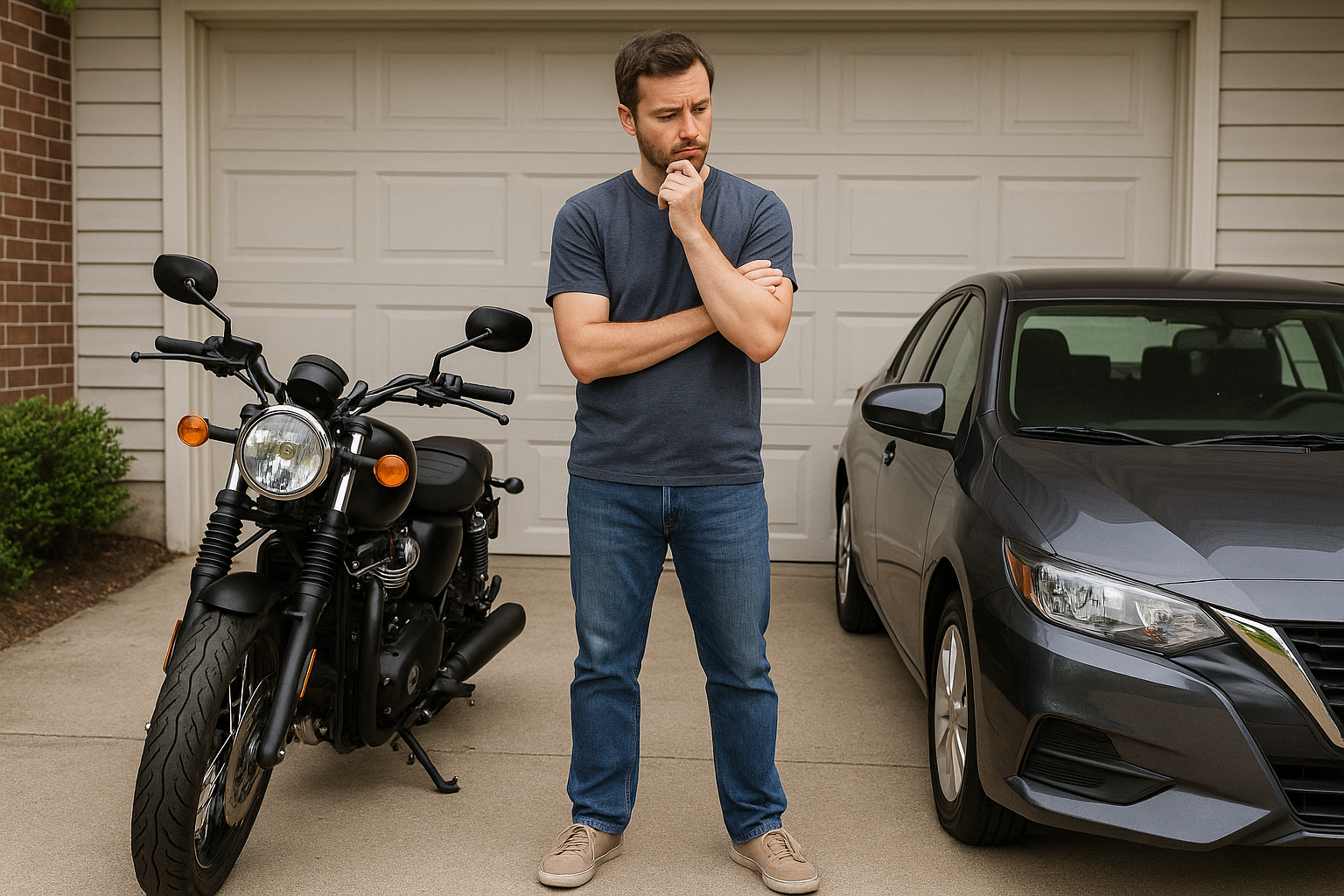
    Many people notice a surprising difference in insurance costs when comparing motorcycles to cars. Motorcycles almost always come with lower premiums. As you explore the reasons, you will see that several key factors distinguish these two types of vehicles. Insurance companies look at risk, cost, and how we use our cars to determine the final price. Although motorcycles can seem risky, they often cost less to insure than cars. Understanding the reasons behind this can help you make smarter decisions when shopping for insurance. Here, we’ll break down the main reasons why motorcycle insurance is generally less expensive than car insurance. By doing so, you will gain a clearer perspective on how insurers calculate your coverage costs. Let’s examine what distinguishes these two vehicle types in the eyes of insurance providers.

    Introduction to Motorcycle vs. Car Insurance Costs

    Many people assume that motorcycles should cost more to insure than cars due to safety concerns. However, insurance data at https://floridainsurancequotes.net/motorcycle-insurance-quote/ tells a different story. On average, most motorcycle owners pay less for insurance than car owners do. The reasons for this cost difference are not always immediately apparent. Insurance companies carefully analyze the risk, replacement value, and usage associated with each type of vehicle. By comparing motorcycles and cars, insurers spot patterns that help them set fair prices. When you understand how these patterns affect your premiums, you become a more informed consumer. Many riders enjoy the benefit of lower monthly bills thanks to these insurance calculations. That knowledge can help you budget wisely and better understand your coverage.

    Insurance providers use a range of criteria to set their premiums. The value of the vehicle and the frequency of use play a significant role. For motorcycles, these aspects often result in less expensive coverage. Fewer motorcycle miles mean less risk for the insurer to cover. In contrast, car owners tend to put in more daily miles, exposing their cars to more situations where accidents could happen. Since motorcycles are often a secondary vehicle, their risk profile looks different from that of cars. This difference becomes clear when examining the details of insurance pricing.

    Even with concerns about motorcycle safety, premiums remain lower. Many factors work together to keep motorcycle insurance costs down. Insurers calculate not just accident risk but also the average claim size and payout. As motorcycles are less costly to replace or repair, they do not burden insurers as heavily as cars do. Thanks to these advantages, riders pay less to protect their bikes than most car owners pay for their vehicles. Understanding these basics lays the groundwork for exploring the specific reasons behind the insurance cost difference.

    Key Differences in Vehicle Value and Replacement Costs

    One of the primary reasons motorcycle insurance costs less is the value of the vehicle itself. Generally, motorcycles are far less expensive to purchase than most cars. Therefore, if an accident occurs and the bike is stolen, the insurer pays out a smaller amount. For example, a new motorcycle often costs several thousand dollars less than even a modest new car. When companies calculate your premium, they factor in the highest amount they might need to pay to replace your vehicle. A lower replacement value means a negligible risk for them, and that leads to a lower premium for you.

    Many motorcycles are built with fewer expensive features than cars. Cars often come with advanced technology, in-car entertainment systems, and high-end parts. All these extras can drive up both the value and the repair cost. Since motorcycles are simpler vehicles, repairs and replacements are usually quicker and less costly for insurers. A car’s higher value and expensive parts add to the insurance company’s potential costs. On the other hand, motorcycles require significantly less money to repair or replace.

    Replacement costs factor into every insurance quote. When accidents occur, cars may require significant repairs or even a complete replacement. Insurance claims for vehicles are often higher due to their value and the complexity of their components. Motorcycles, by comparison, result in smaller claims. Insurers notice these trends and adjust their pricing to reflect the lower potential loss. As a result, most riders see a smaller insurance bill each year.

    How Risk Assessment Impacts Insurance Premiums

    Insurers look closely at risk when setting car insurance premiums at https://floridainsurancequotes.net/florida-auto-insurance/. They study accident rates, types of accidents, and the chances of a total loss. Although motorcycle accidents can be severe, the frequency of claims remains lower overall. Most motorcycle owners ride only during certain seasons or in good weather, which means fewer miles and less exposure to danger. When compared to the daily use of most cars, the risk to the insurer often appears lower.

    Insurers also consider the frequency with which each vehicle type is involved in claims. Since cars are on the road every day, they face more risks from other drivers, the weather, and road conditions. Motorcycles, on the other hand, typically see the road less often. Insurance companies know that less time on the road usually means fewer opportunities for accidents. This lower exposure helps explain why motorcycle insurance costs less.

    Underwriters utilize complex models to assess the risk associated with each vehicle. They look at years of data to predict how likely it is that a rider will file a claim. For motorcycles, the numbers show fewer claims per policyholder. Insurers take this information and set their prices accordingly. Although the consequences of a motorcycle accident can be severe, the overall risk profile keeps premiums lower for riders than for car owners.

    The Role of Usage Patterns in Insurance Pricing

    The way people use motorcycles and cars has a significant impact on insurance costs. Many motorcycle owners use their bikes for recreation or short trips rather than daily commuting. As a result, motorcycles spend less time on the road. Insurance companies recognize that less time in traffic usually means a lower chance of accidents. When you ride fewer miles, your risk to the insurer drops, and your premium follows.

    Cars serve a different purpose for most people. Daily drives to work, errands, and family outings mean that cars accumulate many more miles each year. The more miles driven, the greater the potential for accidents, theft, or damage to occur. Insurance premiums reflect the higher risk associated with daily use. Insurers have studied these patterns for years and found that motorcycles simply pose less risk based on mileage alone.

    Seasonal use also plays a part. Many riders store their motorcycles during the winter months, taking them out only when the weather is pleasant. This seasonal pattern further reduces the risk of claims. Meanwhile, car owners drive in all conditions year-round, facing hazards from ice, rain, or snow. Insurance companies adjust their rates to reflect these differences in how each vehicle gets used. Lower usage translates to a lower insurance bill for most motorcycle owners.

    Claim Frequency and Severity: Motorcycles vs. Cars

    Insurance companies closely monitor the frequency of claims filed and the associated costs. Although motorcycle crashes can lead to serious injuries, the number of insurance claims remains lower compared to cars. Many motorcycle accidents do not result in expensive property damage, as bikes are smaller and often used on less crowded urban roads. Insurers see fewer high-dollar payouts for motorcycles, even when accidents occur.

    Car accidents often result in larger claims. When two cars collide, both vehicles may require extensive repairs or even a full replacement. These claims can involve multiple parties, and the costs add up quickly. Motorcycles, in contrast, usually involve only one vehicle and cause less property damage. Insurance companies factor in both the frequency of claims and the cost of those claims. Fewer claims and lower average payouts keep motorcycle insurance prices low.

    Another aspect is the severity of the claims. While injuries in motorcycle accidents can be severe, the overall financial cost to the insurer is often less than that of cars. Property damage claims for cars can skyrocket, especially with newer vehicles that have expensive parts. Motorcycles rarely rack up such high repair bills. As a result, insurers keep premiums lower for motorcycles because they expect fewer expensive claims over the policy’s life.

    Conclusion: Understanding the Cost Gap in Insurance

    Understanding why motorcycles are less expensive to insure than cars requires examining several key factors. Insurance companies set prices based on the value of the vehicle, the risk of loss, and the frequency of claims filed. Since motorcycles typically cost less to purchase and repair, insurers assume less financial risk. Usage patterns also play a significant role. Most motorcycle owners ride their bikes less often and usually avoid harsh weather conditions. When you ride fewer miles, you face fewer chances of accidents, and that leads to lower premiums.

    Additionally, the claim history for motorcycles shows that insurers pay out less money on average compared to cars. Lower claim frequency and lower severity both work in favor of motorcycle riders. When you add up all these elements, the picture becomes clear. Insurers utilize data and experience to offer lower premiums for motorcycles, making them a more attractive choice for many riders. Understanding these differences helps you make informed insurance decisions and ensures you know what to expect when comparing costs between motorcycles and cars.

Articles

Explore Key Issues